Eight materials.
Named on the line.
We spec the same eight again and again. Linen, brass, ceramic, leather, marble, stone, velvet, walnut. Each one has a property we publish and a tradeoff we name. The line on the plan reads the same way the workshop tags the bolt.
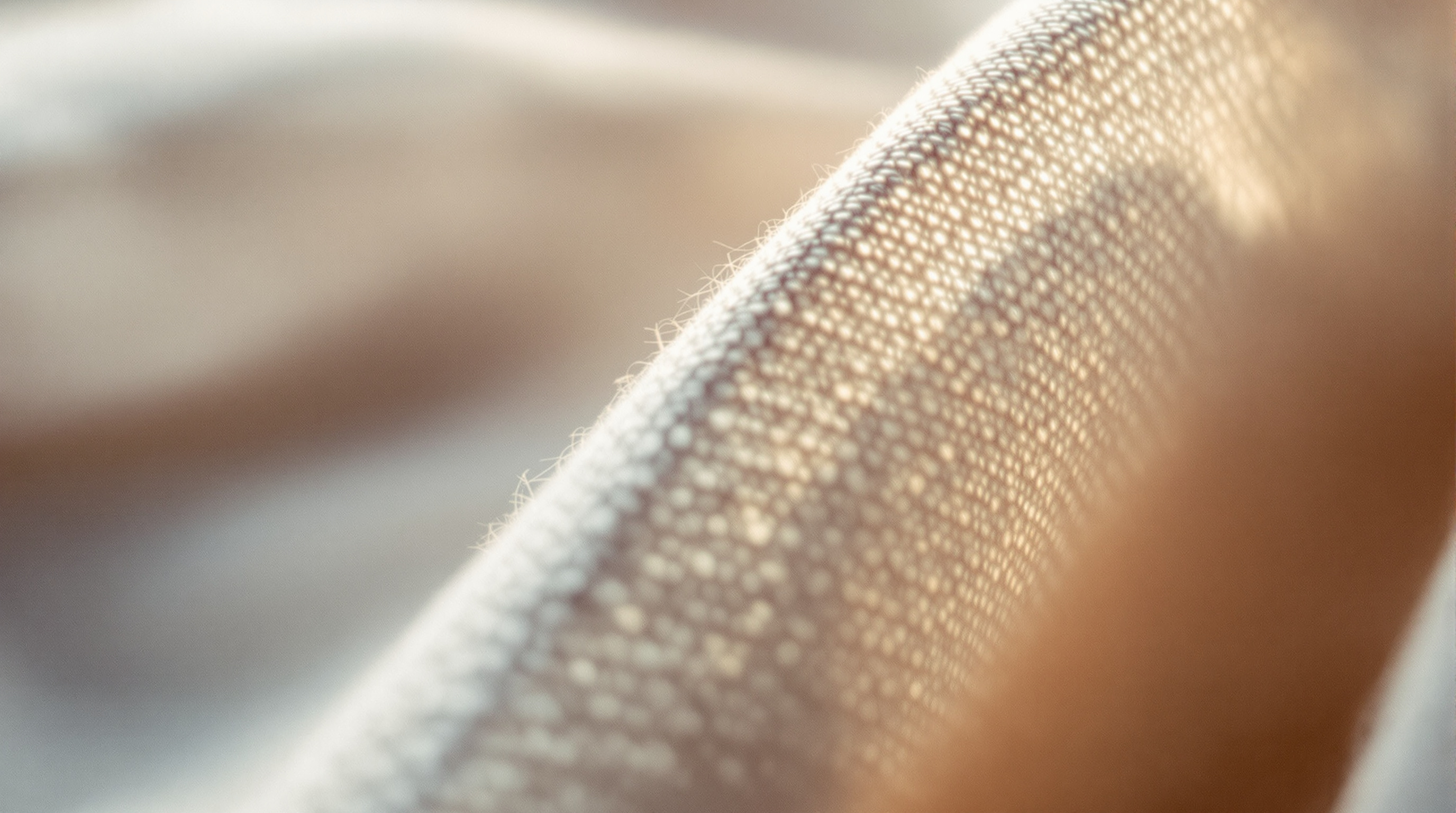
Belgian linen.
Loomed in Kortrijk. Cut and tailored in Foshan. We use it on slipcovers, drapery, dining chair backs, and headboards where the hand matters more than the crease resistance. It wrinkles. It softens in the third wash. Year five looks better than year one. The mills name the GSM, the warp, and the weft on the bolt tag. We copy that tag onto the line.
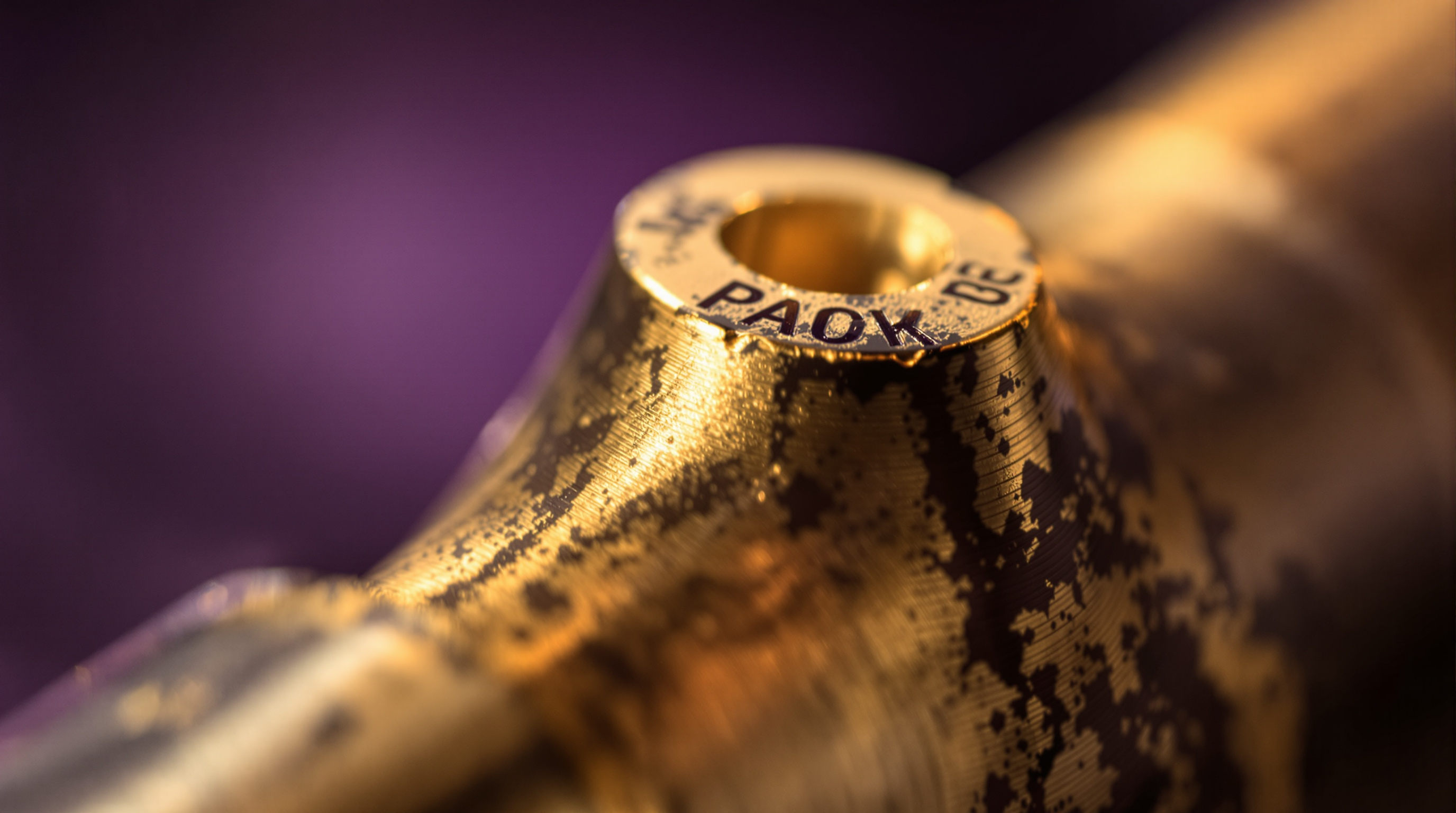
Brass joint.
Exposed brass at the bracket, the foot cap, the table leg sleeve. We use it because the joint is the most honest part of a piece, and brass tells the truth about how old the piece is. It patinas. The lacquer choice is yours: clear coat to hold the new look, or raw and let it darken. Both ship on request. We do not pretend brass is gold and we do not pretend gold is brass.

Ceramic glaze.
Wash basins, lamp bases, vessel pendants. Hand-thrown on the wheel in a Foshan kiln cluster that has been firing porcelain for four centuries. Each piece is slightly different. Glaze pools differ. The drip line on the foot reads as a signature. We do not airbrush the variance out of the product photo. If the room calls for a perfect match across six pieces, we tell the client to spec the cast version, not the thrown one.
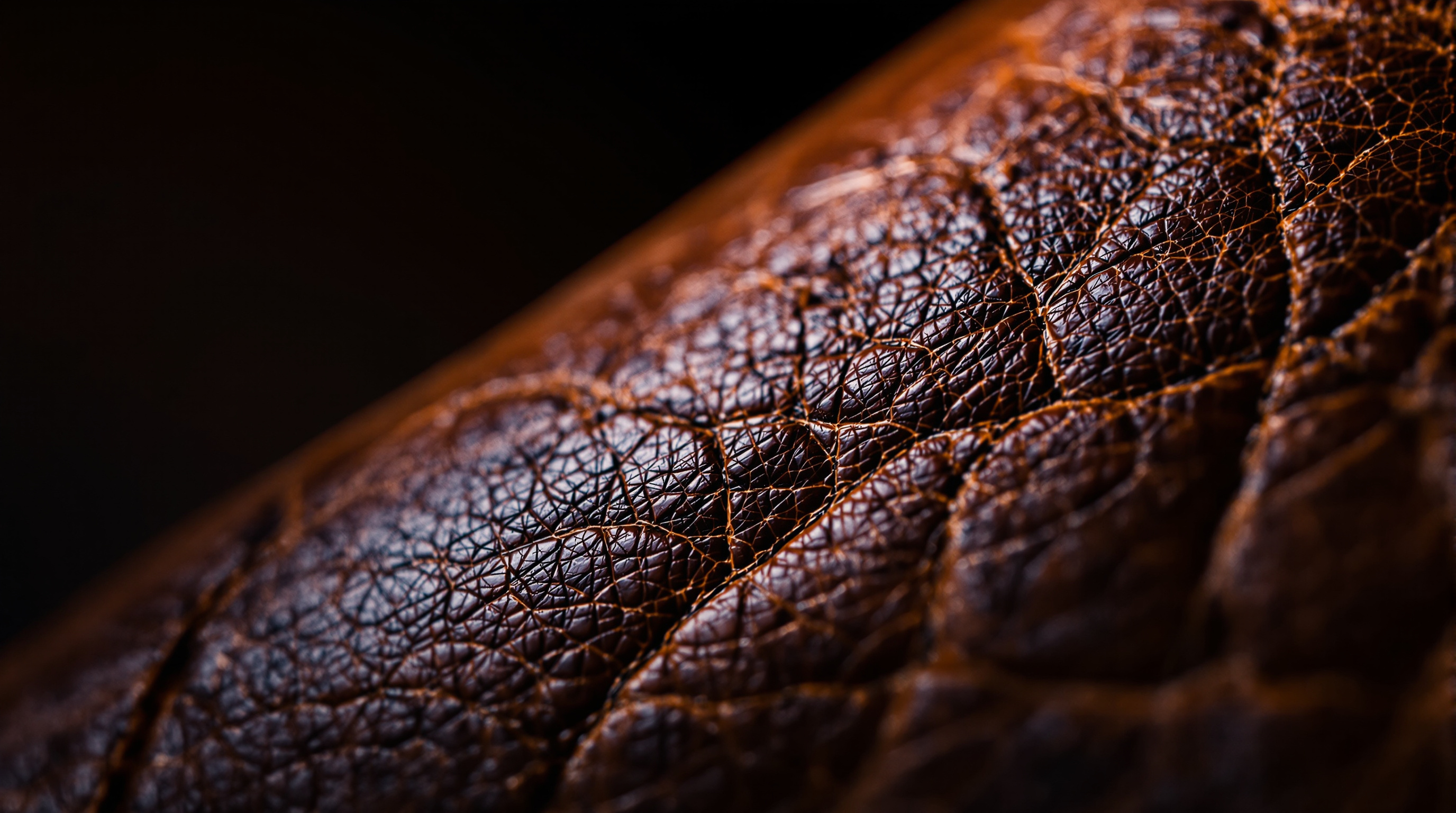
Leather patina.
Full-grain hide. We use it on lounge seating, dining chair seats, and strap detail. Year-one is stiff and uniform. Year five is supple and personal. The body warms the leather; the hand polishes the arms. We do not sell vegan substitutes as leather. We do not call bonded leather full-grain. The hide tag travels with the piece — origin tannery, hide weight, finish chemistry. If the client wants no animal product, we route the room to a heavyweight cotton canvas or a coated linen instead.
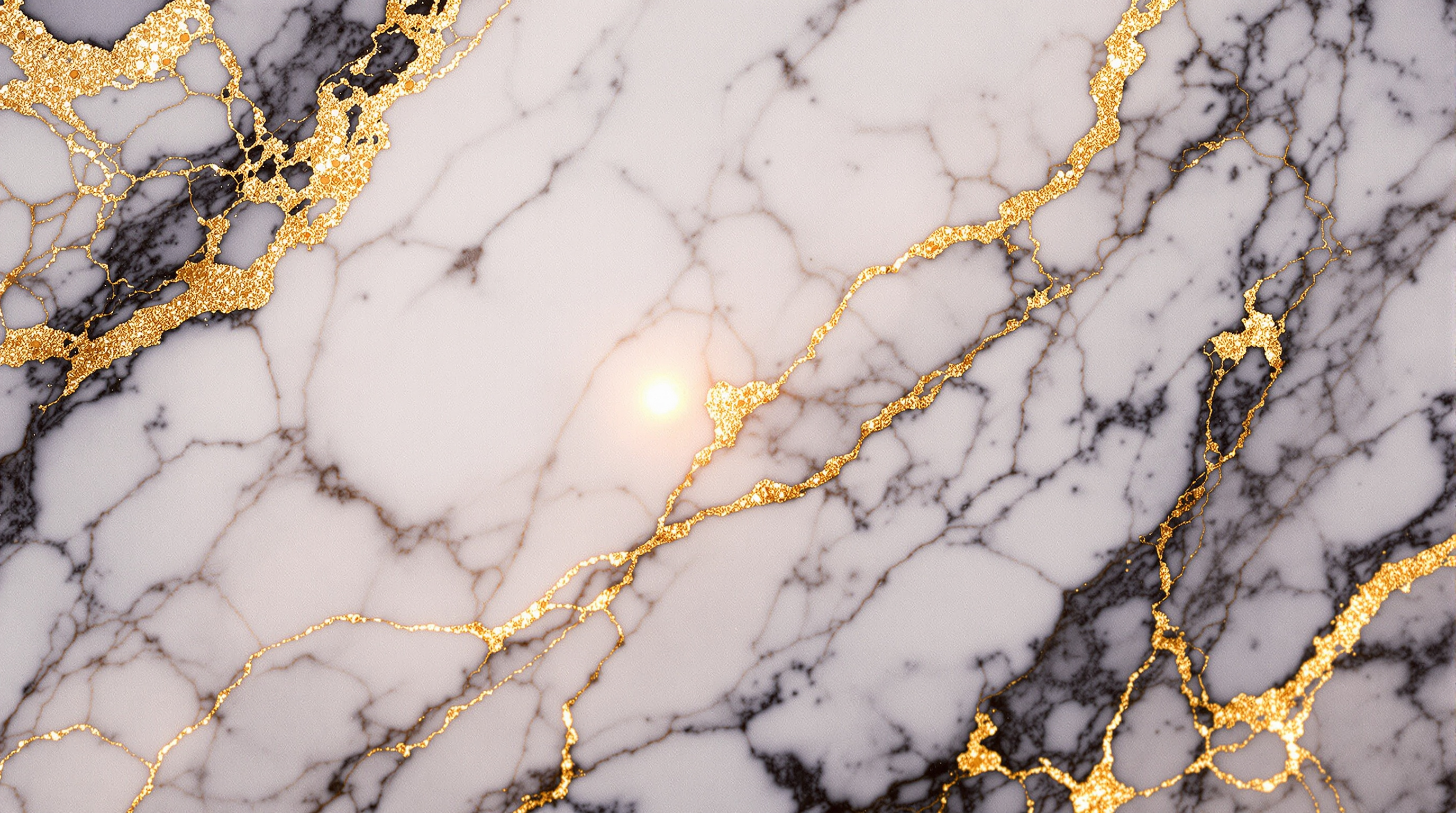
Marble vein.
Counter and tabletop work. We use Calacatta, Carrara, and a Foshan-sourced grey-vein quartzite for harder duty. The vein is the proof — slab-matched and book-matched on the line. Marble is heavy. Freight runs higher than a wood top of the same area. We publish the per-slab freight on the line so nothing is hidden. Marble stains. A red wine spill on an unsealed Calacatta etches in under an hour. We disclose that, every project.

Stone rough.
Fireplace surround, exterior cladding, hearth bases. Unhewn. We pick the face off the pallet, not from a render. The mason cuts to fit on site, which means the install is a real install — two days, scaffolding, a wet saw, and a wheelbarrow of dust. We tell the client that the week before, not the morning of. Stone outlasts the building it sits inside. The honest version is the rough version.

Velvet pile.
Lounge chairs, banquettes, headboards. Velvet has a direction. Run a hand with the pile and the color reads deep; run against and it reads pale. The wrong direction on a six-seat banquette ruins the read of the room. We name the direction on the purchase order. We mark the arrow on the workshop ticket. We confirm again before the cushions are stuffed. Most firms in this category do not.
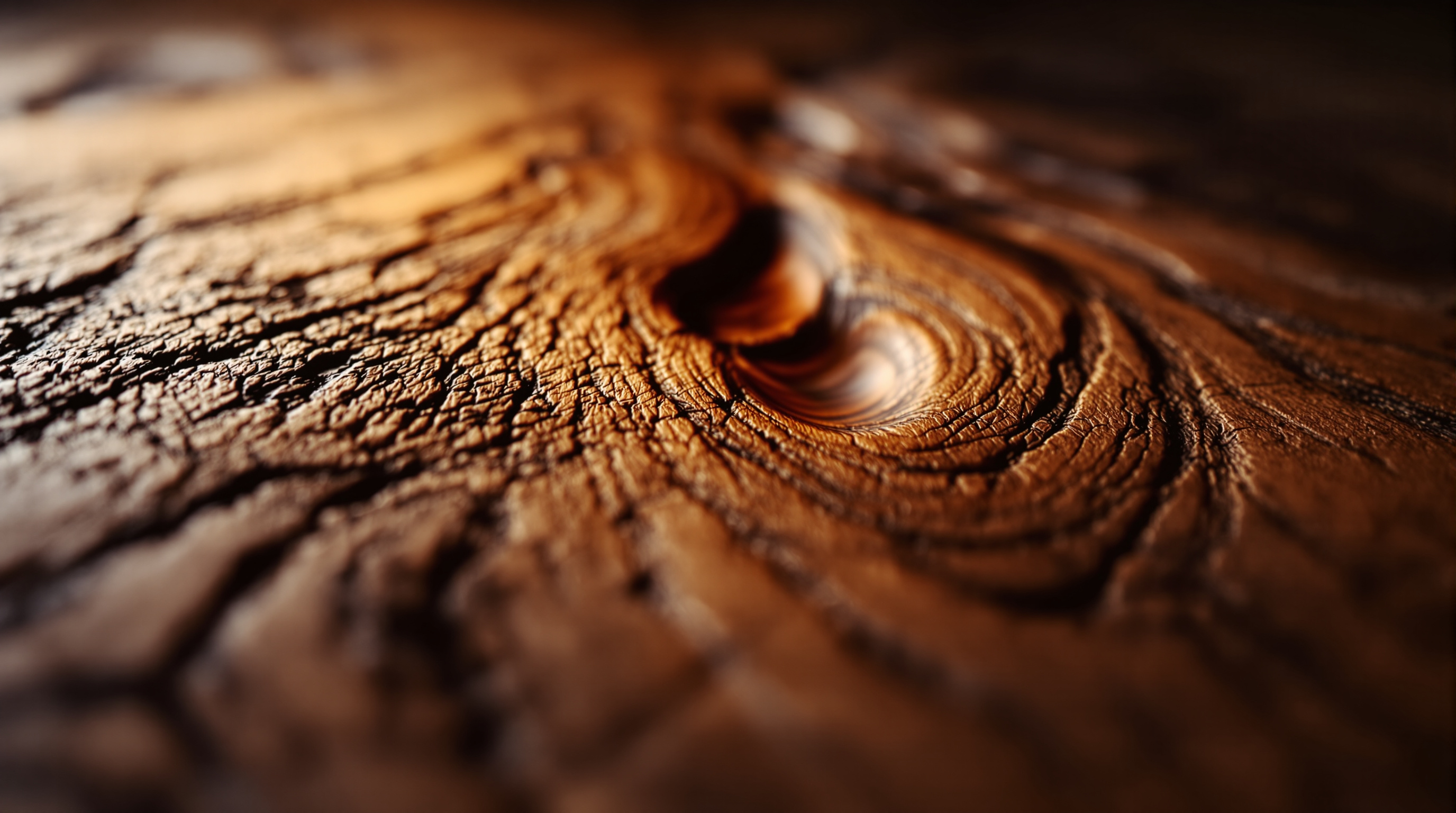
Walnut grain.
American black walnut. Case goods, dining tops, console fronts. The grain is the reason. Kiln-dried to eight percent moisture, then air-dried in the Foshan workshop for twelve weeks before machining. We do not cut a walnut top inside the first month of arrival. The wood moves; the joinery has to admit it — breadboard ends, floating tongues, panel-in-frame. Finished in hand-rubbed oil. The grain is the proof.
Spec the material.
We name the workshop.
Send a brief. A costed plan back inside a business day. Every material named. Every supplier published. Supplier price. Plus 20%. That's the whole deal.